DreamCrane is out on the App Store
Both stores now, one codebase. iPhone gets the app exactly as Android has had it - the Dream Atlas, five ways to read a single dream, the voice archive and seven interface languages.

DreamCrane is a voice-first AI dream journal. Wake up, press one button and just say what you saw - half asleep is fine. Your dream is painted in about ten seconds, kept with your own words, and can tell you what it might mean.


Free to try. One dream a night.


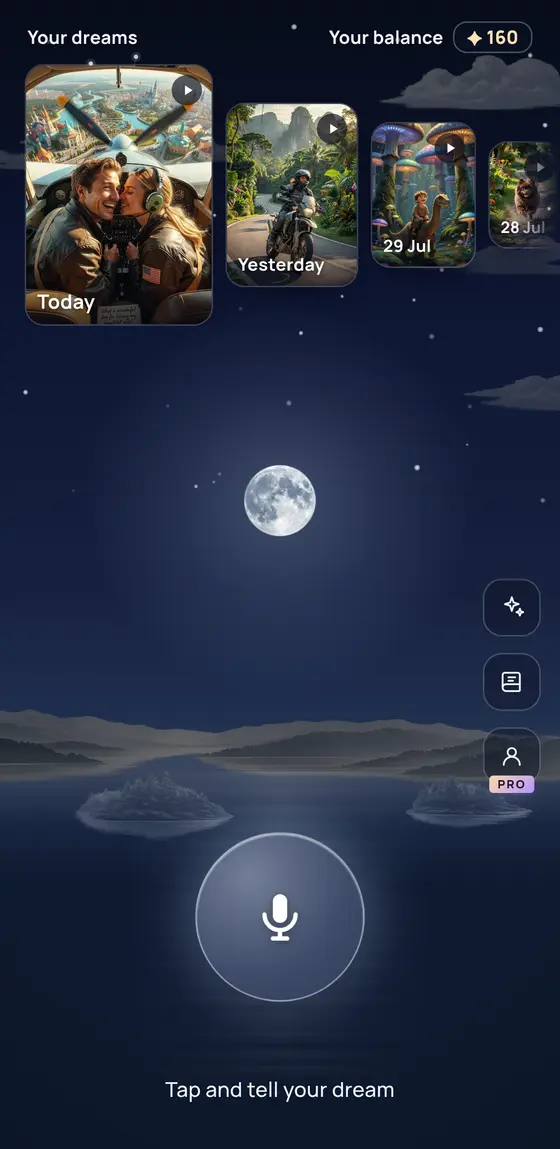

Nothing to type, no prompt to write, no settings to learn. The whole thing happens before you are properly awake - which is exactly when a dream is still there.
Tap the button and describe the dream in your own words. Tap again when you are done.
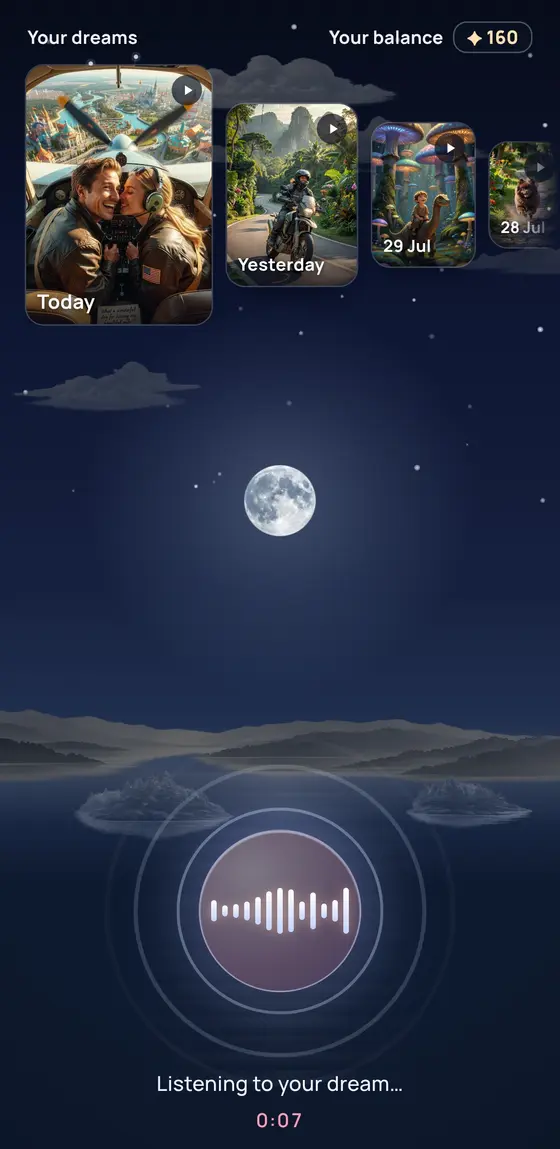
The recording comes back as text you can fix if we misheard. Then press Generate.
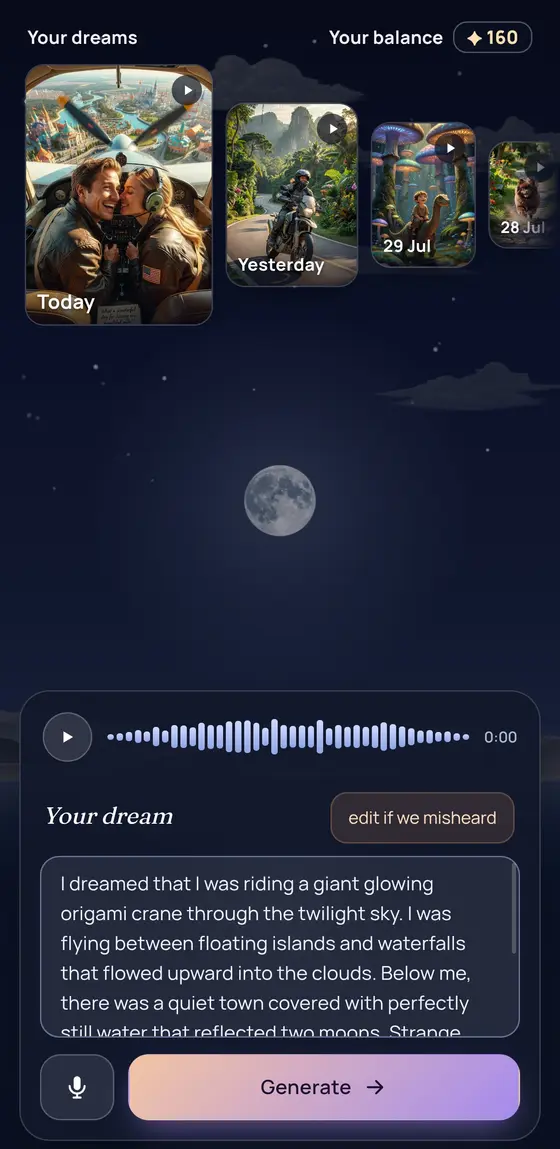
The picture arrives while you are still in bed and goes into your private journal with its transcript.
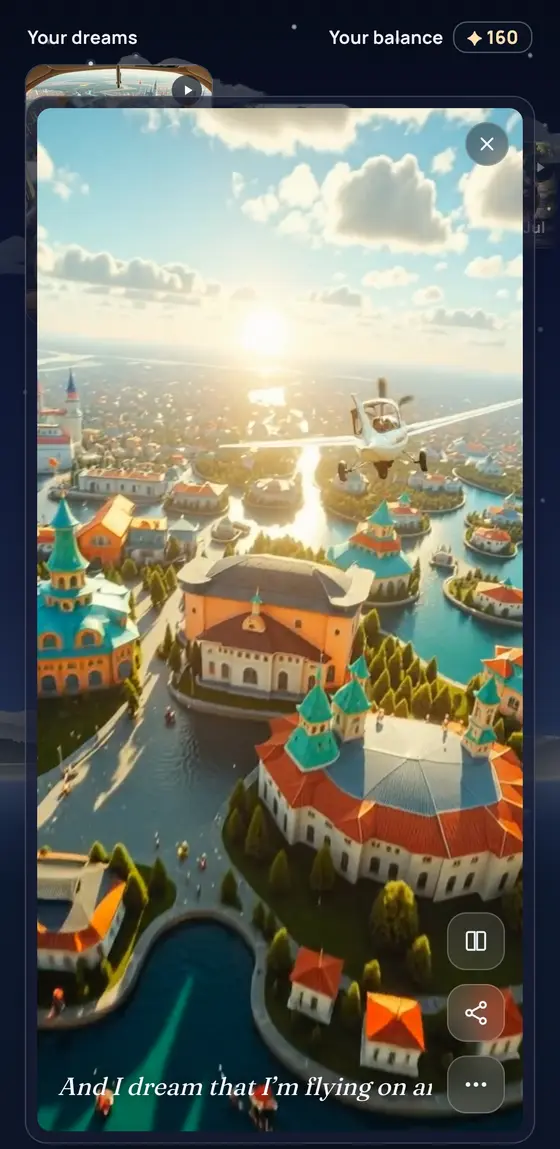
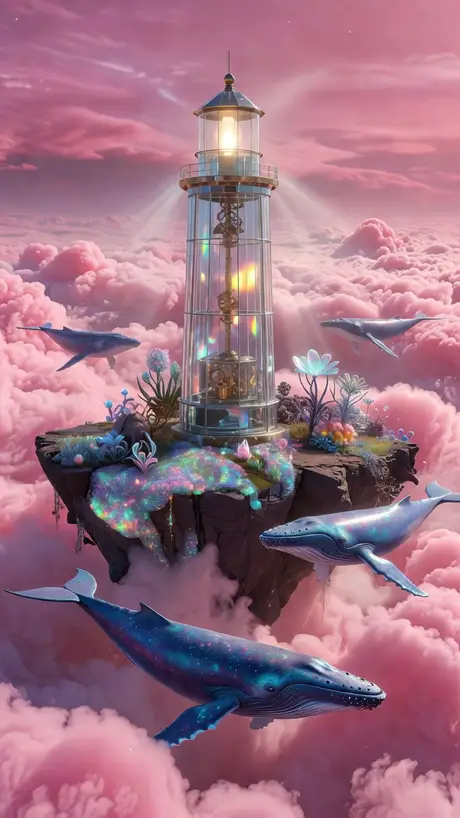
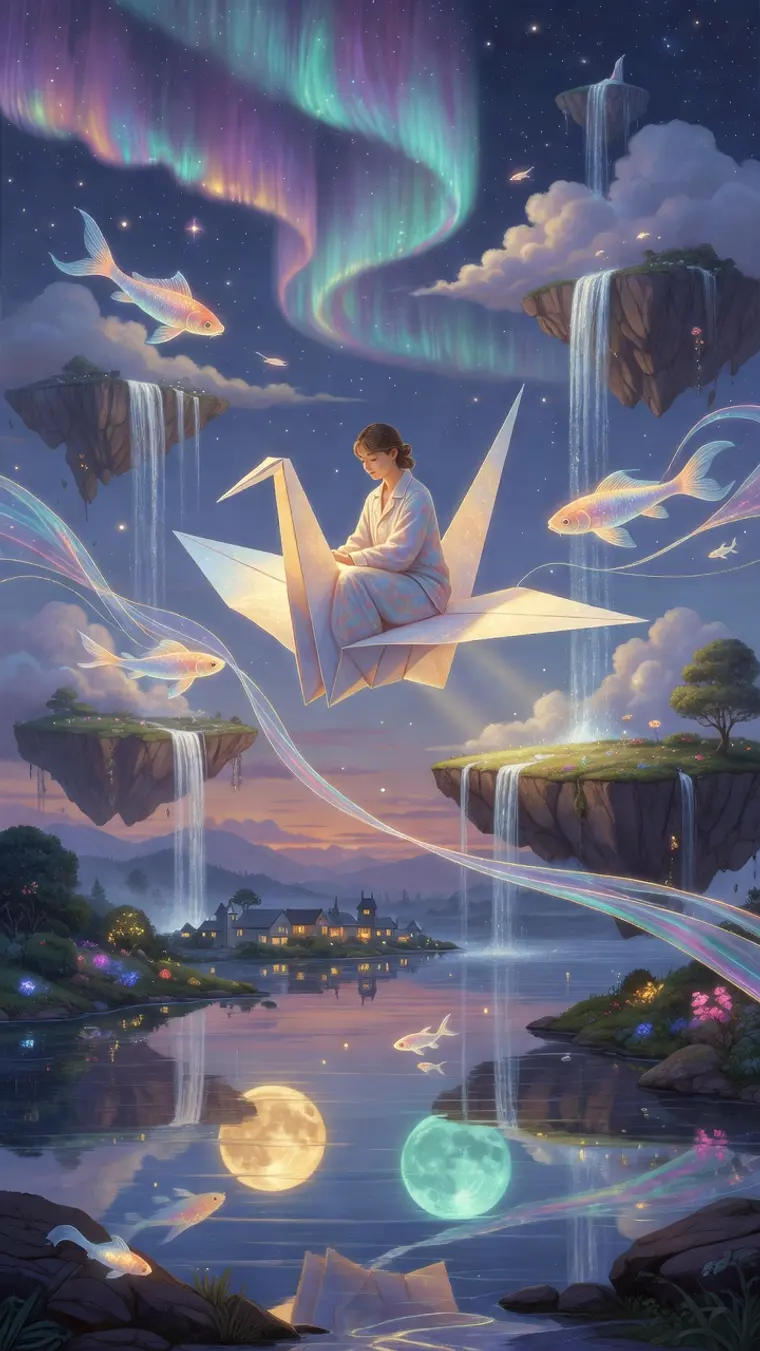
Every image below came out of DreamCrane from a dream someone told it out loud. Nothing here was hand-picked from a model showcase or touched up afterwards.






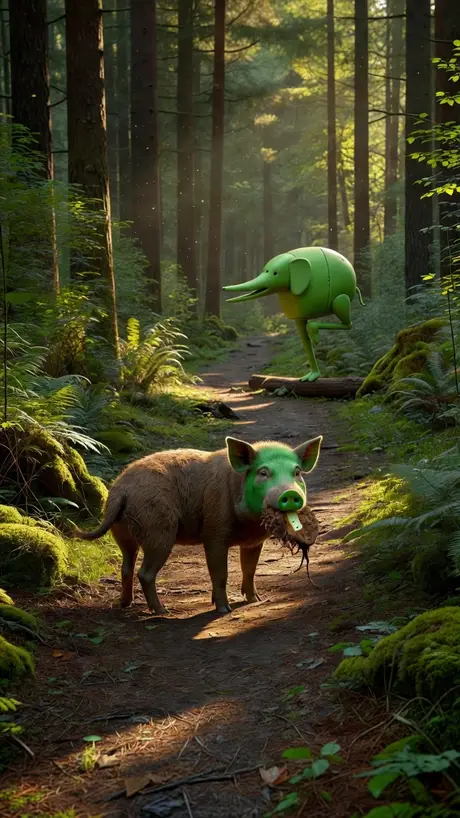



“You get one night
and one painting.”
On every plan, including Pro. It is a rhythm, not a limit - a dream is worth more when you are not farming them. Tomorrow starts at your own midnight, not ours.
Speech recognition covers 60+ languages and works out which one you are speaking on its own - you never pick it from a list. Your words are kept next to the picture, exactly as you said them, and the app itself speaks seven: English, Russian, Spanish, German, Japanese, Korean and Thai.
A full 9:16 image in about ten seconds - ready to keep, print or share.
Every dream saved with its date, its painting and your own transcript. Calendar and grid views.
An unhurried reading of what the dream might be about - classic, Jungian, folk, poetic or plain. Same dream, five voices; switching is free once a reading is open.
ProTurn a still dream into a short moving clip, the way you half-remember it moving.
20 creditsKeep the recording itself, not only the transcript - your own voice at three in the morning, filed with the dream. Off until you switch it on.
ProThe app finds the night you almost forgot - matched by what happened in the dream, not by the words, so it works across languages.
Nothing is public unless you turn it on for one specific dream - and even then it is reviewed first, without your name.
The Constellation of Water and the Moon
One dream tells you almost nothing about yourself. Seven start to. Every seventh night your dreams fold into a constellation - the motifs those nights had in common, drawn as stars and named for what they share.

This is the button from the app. Press it.
A dream you can watch is a different memory from a dream you can only read. Pick any painting in your journal and it becomes a short clip - the mushrooms breathe, the water moves, the dinosaur walks.
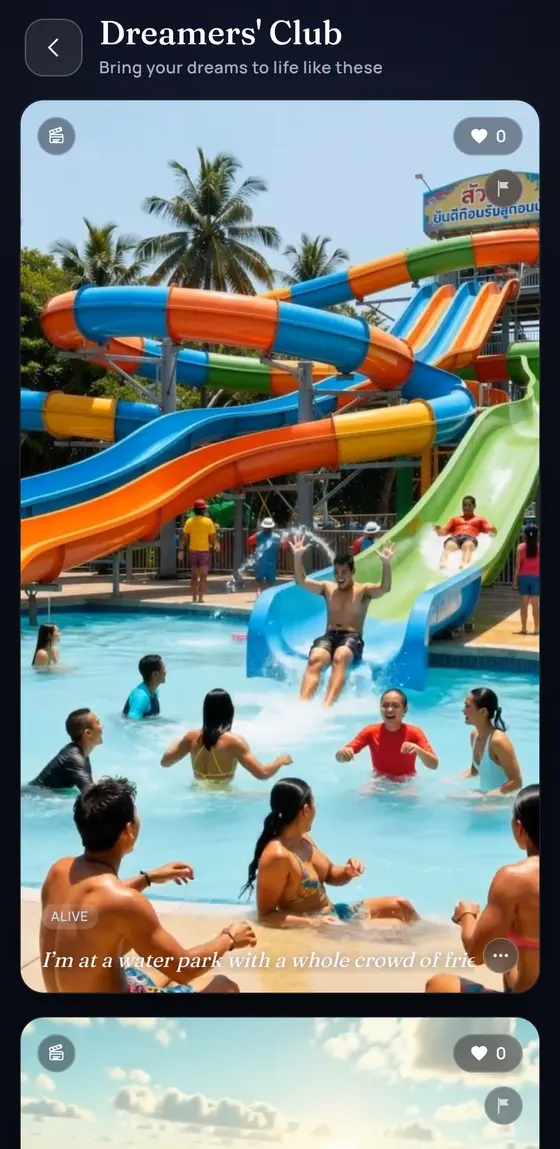
A quiet room of dreams other people decided to show. No follower counts, no comments, no profiles to build - you can look at what a stranger dreamt last night and that is the whole product.
One painted dream a day on every plan - that part is never sold. Pro adds meaning, choice and motion.
No account, no card, no ads.
7 days free, then $9.99 a month. Cancel anytime.
Payment is charged to your App Store or Google Play account at confirmation of purchase. The subscription renews automatically unless auto-renew is turned off at least 24 hours before the end of the current period. Manage or cancel in your store account settings. A one-time pack of 80 credits is available for $2.99 without a subscription.
Both stores now, one codebase. iPhone gets the app exactly as Android has had it - the Dream Atlas, five ways to read a single dream, the voice archive and seven interface languages.

The Dream Atlas is live: every seven dreams fold into a constellation of their shared motifs, named for what they have in common. Along with it - five voices for every interpretation, the voice archive, and the app now speaks seven languages.
After closed testing on both stores, the Android version is live - anyone can install it and paint tonight's dream. The iOS build follows.
DreamCrane is a bootstrapped consumer app built by one person, and it is out - published on the App Store and Google Play. Voice capture, generation, content moderation, subscriptions, the video queue, an internal review console and over-the-air updates all run in production.
You press one button and describe your dream out loud. Your voice is transcribed, the text is turned into a painting prompt, and an image model paints it in about ten seconds. The picture and your own words are saved together in your journal.
One night, one painting - on every plan, including Pro. It is a rhythm rather than a paywall: a dream is worth more when you are not farming them. The day resets at your own local midnight.
Every seven dreams fold into a constellation: the app marks what each dream was made of - water, a chase, a house you have never lived in - and the motifs those seven nights shared become stars, joined into a shape and named for what they have in common. It is counted in dreams, not days, so a missed night costs you nothing. Your first constellation is free; Pro opens the rest and reads each sky as a whole.
No. The app signs in anonymously on first launch and you can use it immediately. Sign in with Apple or Google is optional and only there to keep your dreams if you change devices.
Yes, by default. A dream reaches the public Dreamers' Club only if you turn it on for that specific dream, and every opt-in is reviewed by a human before anyone sees it. No names are ever attached to a dream, and deleting your account removes your dreams and their images.
No. Images, videos and interpretations are generated by AI from what you tell the app. Interpretations are made for reflection and entertainment - they are not medical, psychological or diagnostic advice.
Yours. Speech recognition covers more than 60 languages and detects which one you are speaking by itself - there is no language to choose before you start talking, which matters at six in the morning. The interface itself speaks seven languages - English, Russian, Spanish, German, Japanese, Korean and Thai - but the two are independent: you can run the app in English and describe your dream in Portuguese, Hindi or Georgian.
$9.99 a month or $79.99 a year, with a 7-day free trial. Pro adds the whole Dream Atlas and its readings, AI interpretation in five voices, two variants of every dream, the voice archive, watermark-free sharing and 100 credits a month. Without a subscription, a one-time pack of 80 credits is $2.99.

It is out on Google Play - install it tonight, and tell it the first thing you remember in the morning.